

What Makes a Bull Terrier Stand Out?
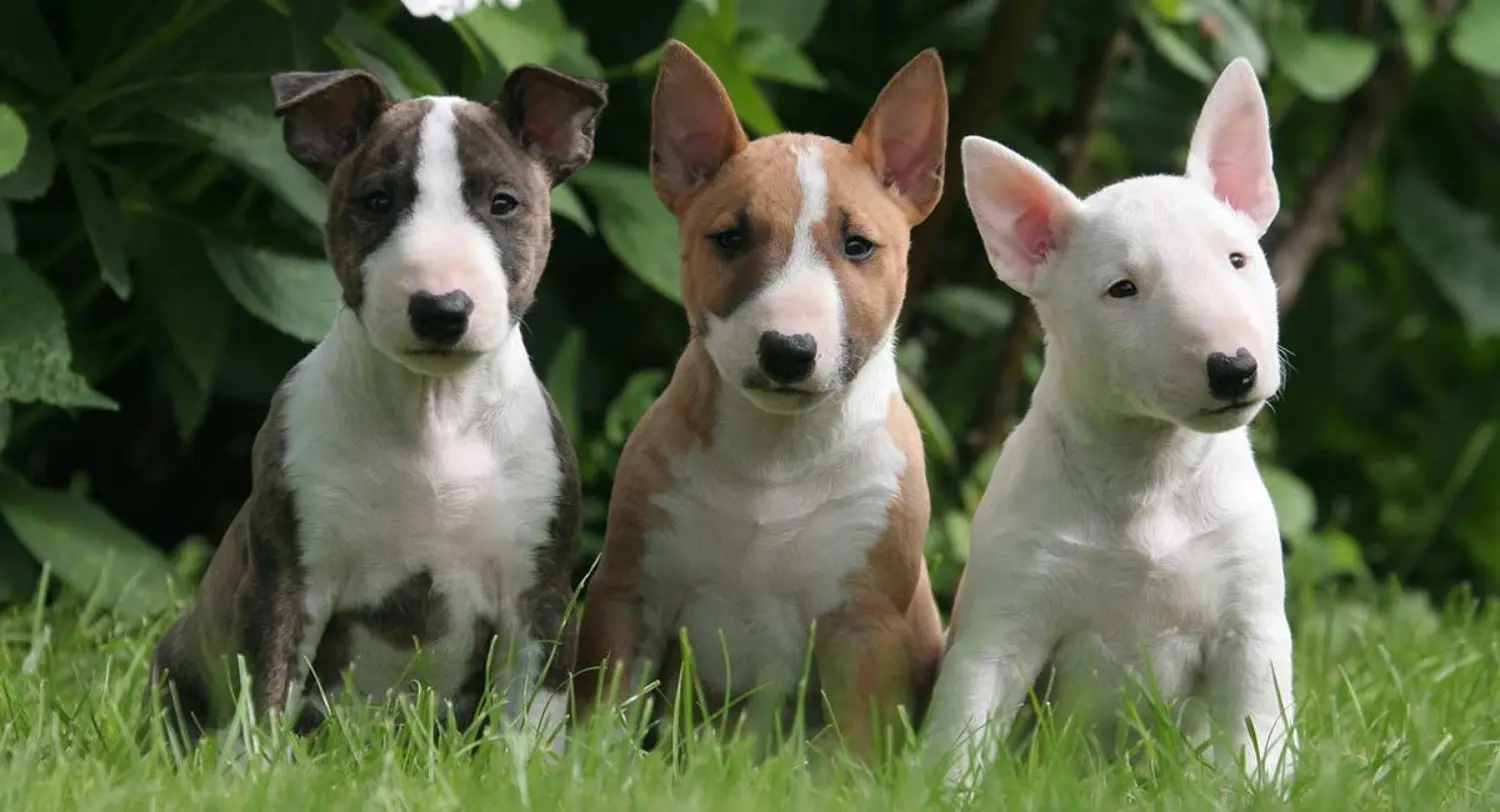
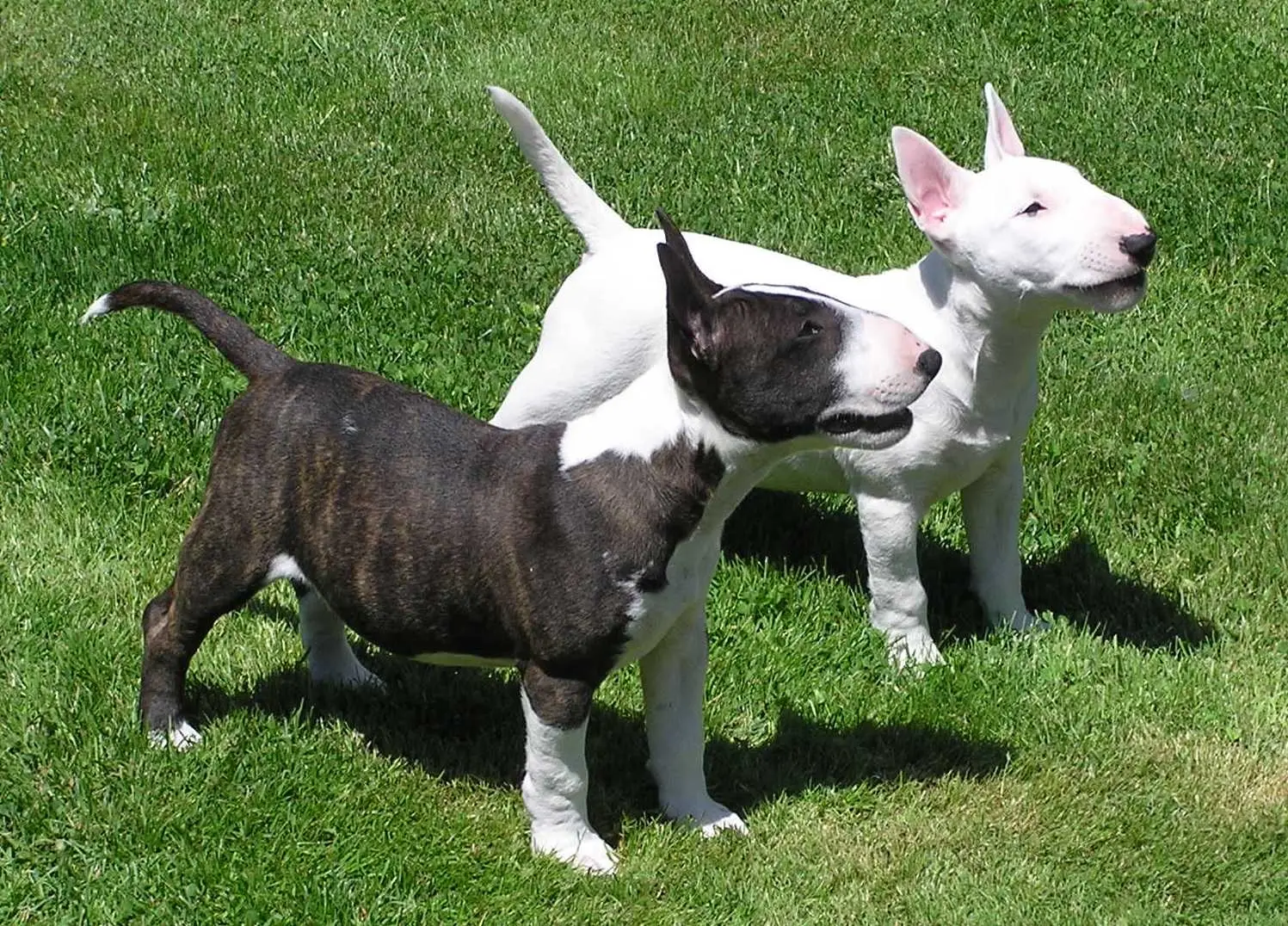
You’ll never mistake this breed for any other. Bull Terriers have a muscular build and their signature "egg-shaped" head. Their eyes are sharp and a little mischievous. Adult dogs usually stand around 50 cm (20 inches) tall and weigh between 22–30 kg (49–66 lbs).
Their coat is short, dense, and shiny—super easy to care for. Usually, brushing a couple of times a week is enough.
Bull Terriers are energy on four legs. They’re playful, cheerful, and love their humans deeply. But they can also be stubborn and strong-willed.
They’re companion dogs through and through. They want to be with you, involved in everything you do. Being left alone isn’t their thing. Bull Terriers are incredibly loyal—sometimes too much. They may try to protect the family even when there’s no real threat. That’s why early training and socialization are a must. Without it, they can become hard to manage. But with the right approach, they’re absolute gold.
Are Bull Terriers Good with Kids?
Yes, Bull Terriers can be great with children—but there are a few important "ifs." These dogs can become amazing playmates. They’re patient, fun-loving, and can act like little furry babysitters. But only if the child knows how to interact with a dog, and adults supervise their time together.
Any dog can get scared, tired, or confused by a toddler’s “games.” So training needs to go both ways—teach your child:
- Not to pull the dog’s ears
- Not to reach into the food bowl
- Not to wake the dog while it's sleeping
And teach your dog to stay calm around loud noises, sudden movements, and the general chaos that comes with kids. If you get this right, it’s a win-win. Bull Terriers are very family-oriented. They adore children and love interactive play.
One more thing—don’t leave very young kids alone with the dog. Even the sweetest pup can get startled or stressed. Playtime, walks, and training should be shared activities that build a bond between the child and the dog, and help both learn how to treat each other kindly.
How to Care for a Bull Terrier
At first glance, a short-haired dog might seem like low effort—and honestly, that’s mostly true. Their coat doesn’t need trimming, doesn’t tangle, and is easy to clean after a walk. But there’s more to it.
Bull Terriers are high-energy dogs. They need walks, playtime, and mental stimulation. This isn’t a dog you walk in the morning and forget about. They need your attention—or they’ll find their own entertainment. Which often means chewing your shoes, gnawing furniture, or digging into the couch.
Keep an eye on their ears, eyes, and nails. Brush their teeth regularly—it helps avoid problems down the line. And don’t skip those vet check-ups: a routine visit every six months, or more often if needed, is a good rule of thumb.
Bull Terrier Health: What to Watch For
Despite looking tough, Bull Terriers are prone to some health issues. The most common ones include allergies, skin conditions, and eye problems. Some dogs, especially the white ones, may also be born deaf in one or both ears. That’s why it’s so important to buy from responsible breeders who run health checks.
Routine vet visits and basic care can help avoid most serious problems. And remember—it’s always better to prevent than to treat.
Another heads-up: Bull Terriers can easily gain weight if they’re not getting enough exercise. This isn’t a breed that’s content just lounging around. They need both physical and mental activity. Without it, you might see some unwanted behaviors pop up:
- Aggression
- Over-excitement
- Destructive chewing
Walks, games, and training need to be part of your daily routine.
Feeding Your Bull Terrier
Bull Terriers need a well-balanced diet. They’re muscular and active, so good-quality protein is a must. You can go with high-grade dry food or a natural (raw or cooked) diet, as long as it’s tailored to their age, size, and activity level.
If you go the natural route, talk to a vet or pet nutritionist. Table scraps aren’t suitable—salt, spices, fried or fatty food can seriously harm your dog.
Be mindful of allergies too. Some Bull Terriers react badly to chicken, wheat, or dairy. Watch how your dog responds to food. If you see redness, itching, or tummy trouble—it’s time to switch things up. And of course, always keep fresh water available.
Training and Socializing: Turning Your Bull Terrier into a Best Friend
Bull Terriers are strong-willed, so training should start from day one. Puppies adapt quickly to routines, commands, and house rules if you stay consistent. Patience is key. Yelling or punishing only makes things worse. Calm guidance, persistence, positive reinforcement, and a playful approach work best.
Socialization is just as important. Take your puppy on walks, introduce them to other dogs, people, and kids. Teach them how to behave in different situations. This helps prevent fear or aggression later on. If you’re unsure where to start, work with a professional trainer—it’s a smart investment in long-term peace of mind.
5 Good Reasons to Get a Bull Terrier – Video
Bull Terriers are incredibly smart and trainable. They pick up commands quickly and love to learn. Here are 5 more fun reasons why getting a Bull Terrier is totally worth it:
Final Thoughts
Bull Terriers aren’t the easiest breed—but they can be the most rewarding. They’re smart, active, fun-loving, and fiercely loyal. If you’re ready to put in the time, energy, and love, they’ll give it all back—and then some. If you’re okay with a bit of mischief, neediness, and a lot of action—this might be your perfect family dog.